
Condition We Treat
Vein Doctor of Tampa
Swollen, heavy or aching legs that feel worse by the end of the day? Chronic venous insufficiency is a common, treatable condition. We diagnose it with a painless ultrasound and offer minimally invasive, in-office treatment to relieve your symptoms.
or call us today
4.8
143 Google reviews of our practice
Painless and non-invasive
In-office treatments
Tailored to your needs
Accepted (no Medicaid)
Understanding CVI
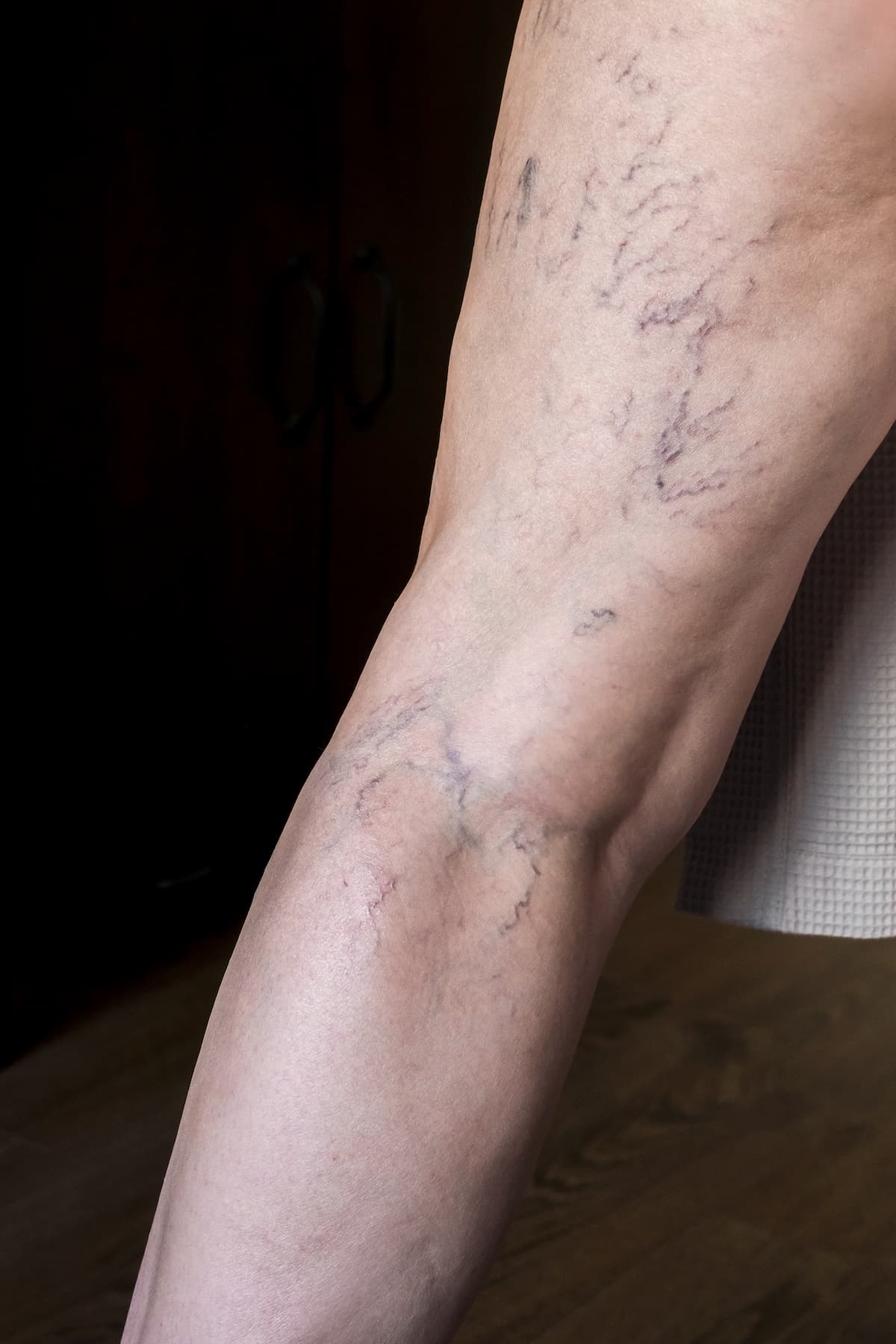
Chronic venous insufficiency (CVI) is a condition in which the veins in your legs have trouble sending blood back to the heart. Leg veins rely on small one-way valves to keep blood moving upward. When those valves weaken or are damaged, blood flows backward and pools in the lower legs.
That pooling raises pressure in the veins, leading to swelling, pain, heaviness and skin changes. CVI is also a common cause of varicose veins.
Common risk factors
How It Happens
CVI usually develops gradually, which is why early symptoms are easy to dismiss.
01
The one-way valves inside your leg veins become weak or damaged and stop closing properly.
02
Instead of moving up toward the heart, some blood flows backward and collects in the lower legs.
03
Higher pressure in the veins causes swelling, aching, heaviness and, over time, skin changes.

Know the Signs
Symptoms often feel worse after long periods of standing or sitting and better when you raise your legs. Common signs include:
A quick, painless ultrasound can tell us whether venous insufficiency is the cause.
Why It Matters
CVI is rarely an emergency, but it tends to progress over time. Evaluating and treating it early can relieve symptoms and help protect the health of your skin.
Early
Symptoms come and go and are often mistaken for tiredness.
Progressing
Swelling and discomfort become more frequent and harder to relieve.
Advanced
Long-term pressure can affect the skin of the lower legs.
Diagnosis Comes First
We find where the problem starts, so your treatment targets the cause and not just the symptoms.
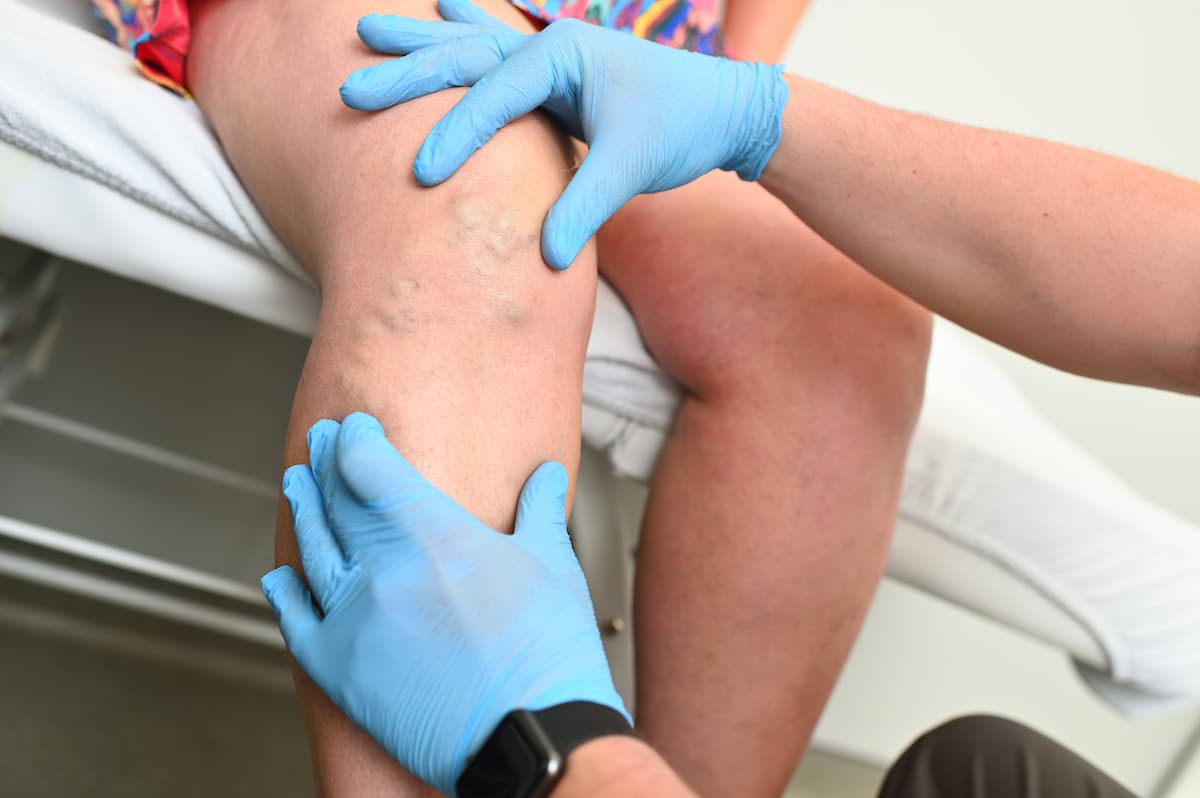
We review your symptoms, history and risk factors and examine your legs.
A painless, non-invasive ultrasound shows how blood flows through your veins and which valves aren't working.
We explain what we found and recommend the options that fit your veins, goals and lifestyle.
Most treatments are in-office with local anesthetic, and we follow up to check your progress.
Ultrasound-guided care
Duplex ultrasound shows which veins are affected, so we can recommend the right treatment.
Treatment Options
Treatment depends on your ultrasound findings and symptoms. Many patients benefit from a combination.
Gentle heat closes the faulty vein from the inside, so blood reroutes through healthier veins.
Laser energy seals the damaged vein through a tiny entry point, with minimal downtime.
Graduated compression helps move blood upward and reduces swelling and discomfort.
Regular walking, raising your legs, managing weight and avoiding long periods of sitting or standing.
Call 911 or go to the nearest emergency room if you have sudden swelling in one leg with pain, warmth or redness, or chest pain or shortness of breath. These can be signs of a blood clot (DVT) and need immediate care.
Questions & Answers
Answers to the questions patients ask us most about vein conditions, treatments and recovery.
CVI happens when the valves in your leg veins weaken or become damaged, so blood flows backward and pools in the lower legs. Age, family history, pregnancy, extra body weight, long periods of standing or sitting and a history of blood clots all raise the risk.
CVI is rarely an emergency, but it tends to progress if untreated. Over time it can lead to persistent swelling, skin changes and slow-healing sores, so an early evaluation is worthwhile.
We review your symptoms and examine your legs, then use a painless, non-invasive duplex ultrasound to see how blood flows through your veins and which valves aren’t working properly.
Yes. Minimally invasive procedures such as RFA and EVLT close faulty veins so blood reroutes through healthier ones, and compression therapy helps manage symptoms. Results vary, and your specialist will discuss what to expect for your situation.
No. CVI is a long-term problem with vein valves, while deep vein thrombosis (DVT) is a blood clot. A past DVT can damage valves and lead to CVI. Sudden swelling in one leg with pain, warmth or redness needs emergency care. Call 911.
Walking regularly, raising your legs when resting, maintaining a healthy weight, avoiding long periods of sitting or standing and wearing compression as recommended can all help. They work best alongside a plan from your vein specialist.
Many plans cover treatment for CVI when it’s medically necessary. We accept most major insurances (no Medicaid), and our team can help you check your coverage.
Get the Care You Deserve
Find out whether venous insufficiency is behind your symptoms and which treatment fits you. Request your consultation and our team will call you to schedule.
Call us today
Hours of Operation
We’ll call you to confirm. Please don’t include medical details in this form.
Protected by reCAPTCHA. See our Privacy Policy.