
Our Primary Focus
Vein Doctor of Tampa
Aching, heavy or bulging veins? Our vein specialists diagnose the cause with ultrasound and offer minimally invasive, in-office treatments, including radiofrequency ablation, laser ablation, sclerotherapy and phlebectomy, so most patients get back to normal activities quickly.
or call us today
4.8
143 Google reviews of our practice
In-office procedures
Accepted (no Medicaid)
Advanced vein imaging
Tailored to your needs
Understanding Varicose Veins
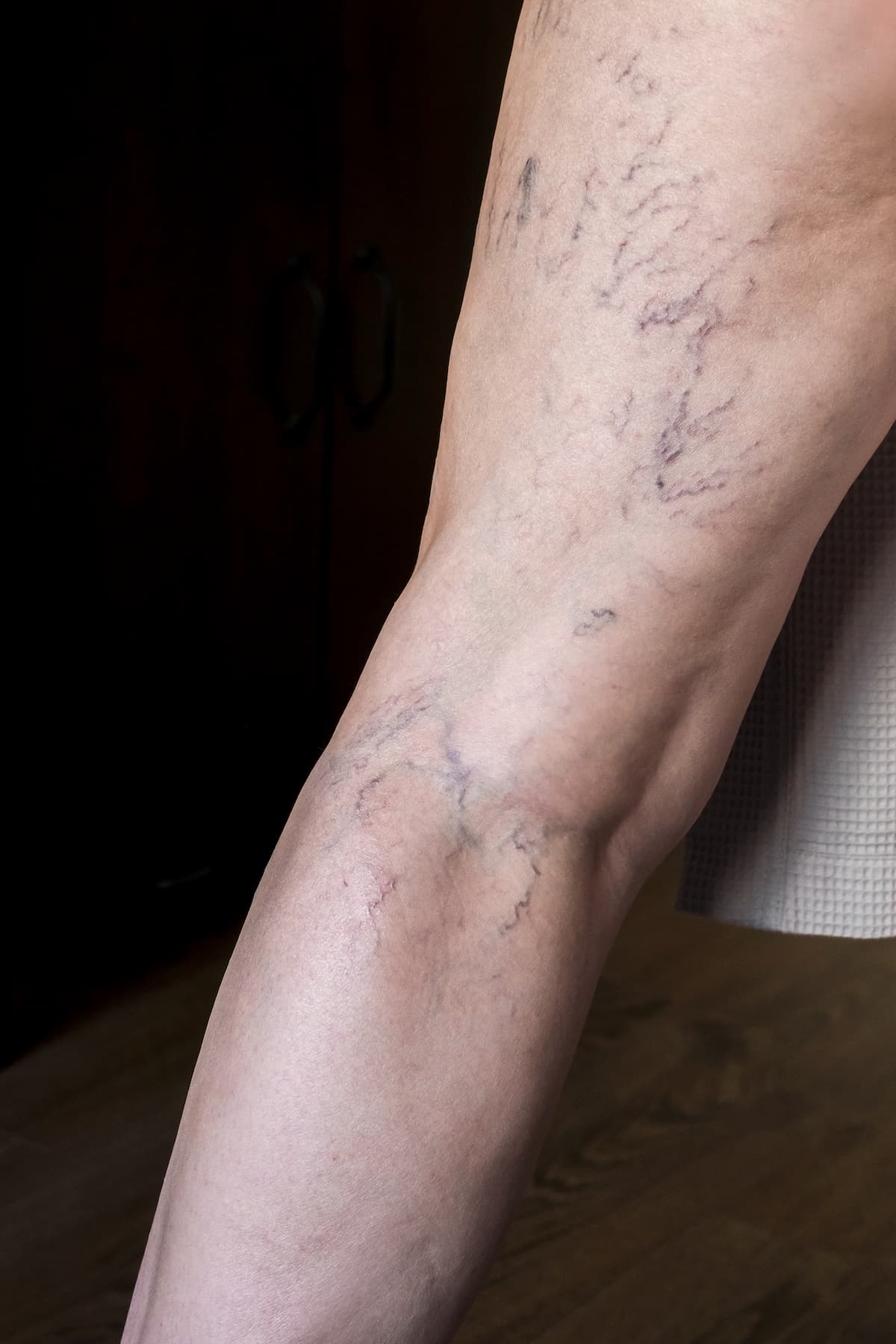
Varicose veins are enlarged, twisted veins, most often in the legs. Healthy veins have one-way valves that keep blood moving toward the heart. When those valves weaken, blood flows backward and pools, stretching the vein and causing the bulging, heaviness and aching many patients feel by the end of the day.
Varicose veins are often a sign of an underlying condition called chronic venous insufficiency. Without treatment, symptoms tend to progress over time, so an early evaluation is worthwhile.
Common causes
Risk factors
Signs it's time to get checked
Diagnosis Comes First
Visible veins are only part of the picture. We find where the problem starts, so your treatment targets the cause and not just the surface.
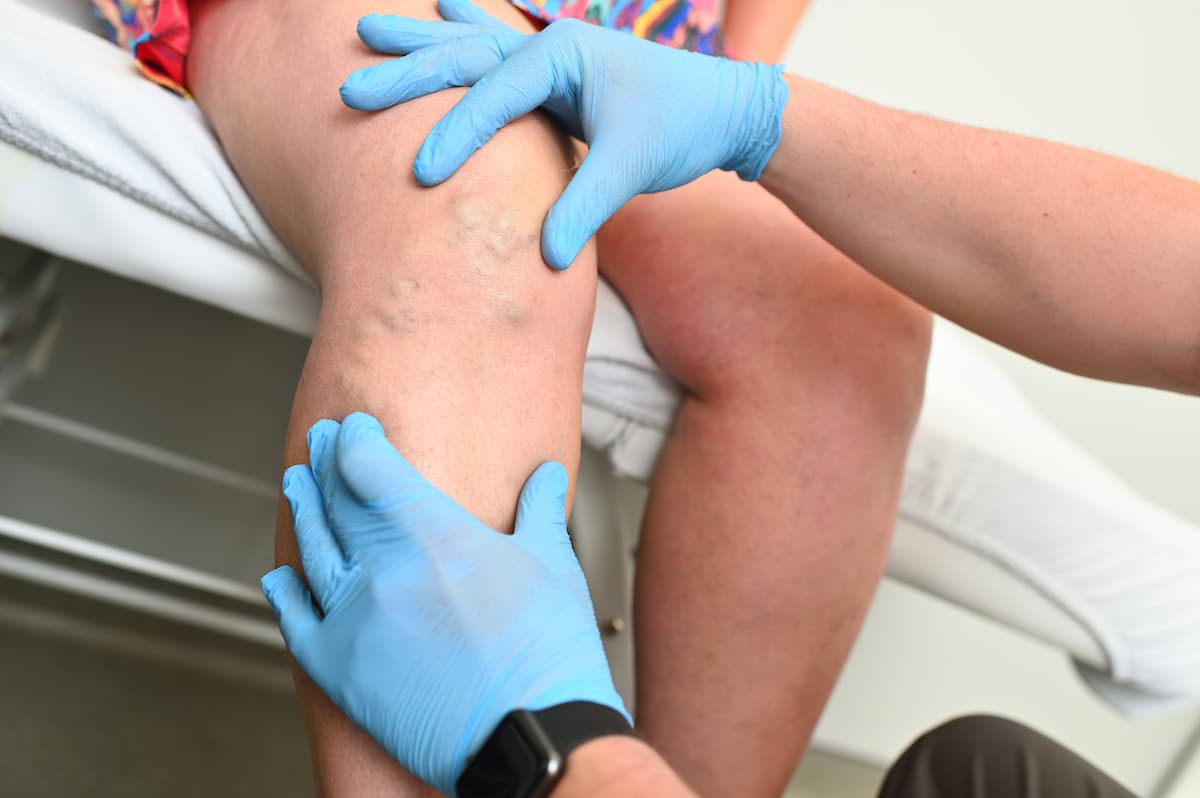
We review your symptoms and history, examine your legs and use a painless duplex ultrasound to see how blood flows through your veins.
We explain what we found and walk you through the options that fit your veins, your goals and your lifestyle.
Most procedures use local anesthetic only. Endovenous ablation typically takes 30 to 60 minutes.
Most patients walk out the same day and return to normal activities within a day or two. We follow up to check your progress.
Ultrasound-guided care
Duplex ultrasound shows which veins are affected, so we can recommend the right treatment.
Treatment Options
We match the treatment to the vein. Many patients benefit from a combination, planned in stages.
Best for larger varicose veins
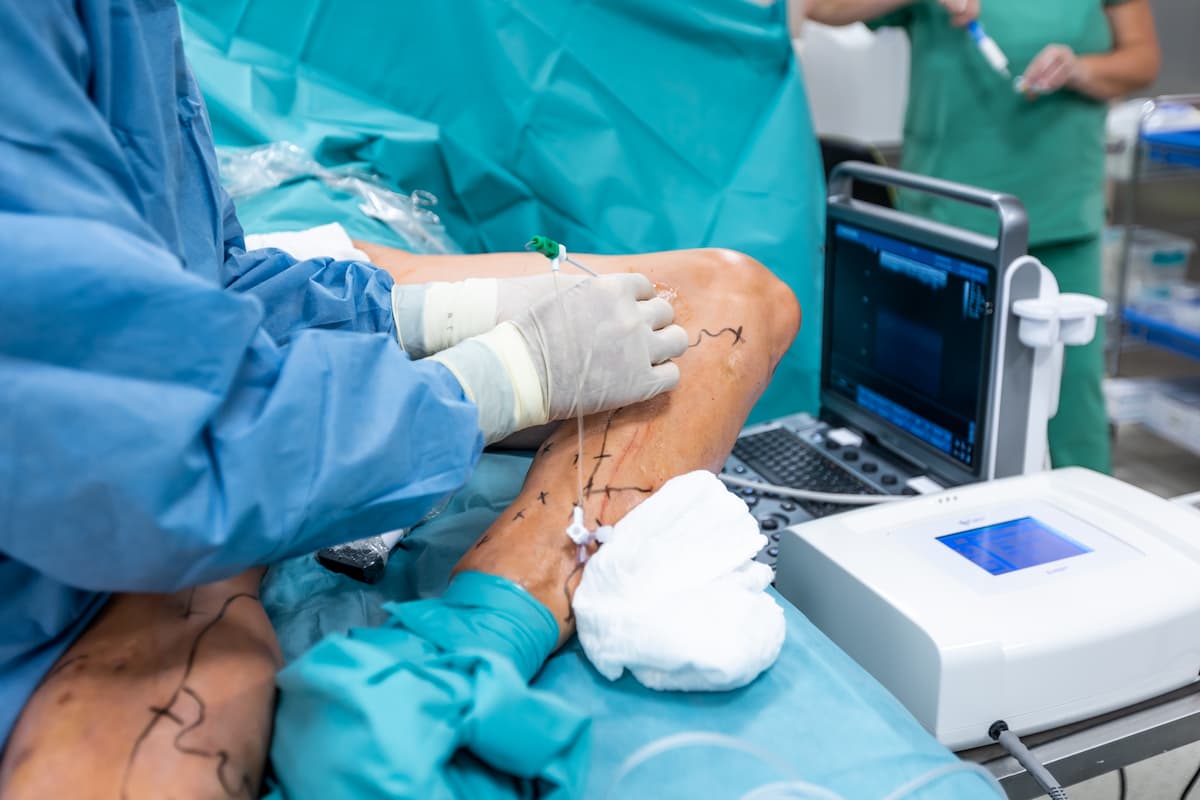
A thin catheter is placed into the faulty vein through a tiny entry point. Radiofrequency energy (RFA) or laser energy (EVLT) gently heats the vein wall so it closes. Your body gradually absorbs the treated vein and blood reroutes through healthier veins.
Best for smaller varicose & spider veins
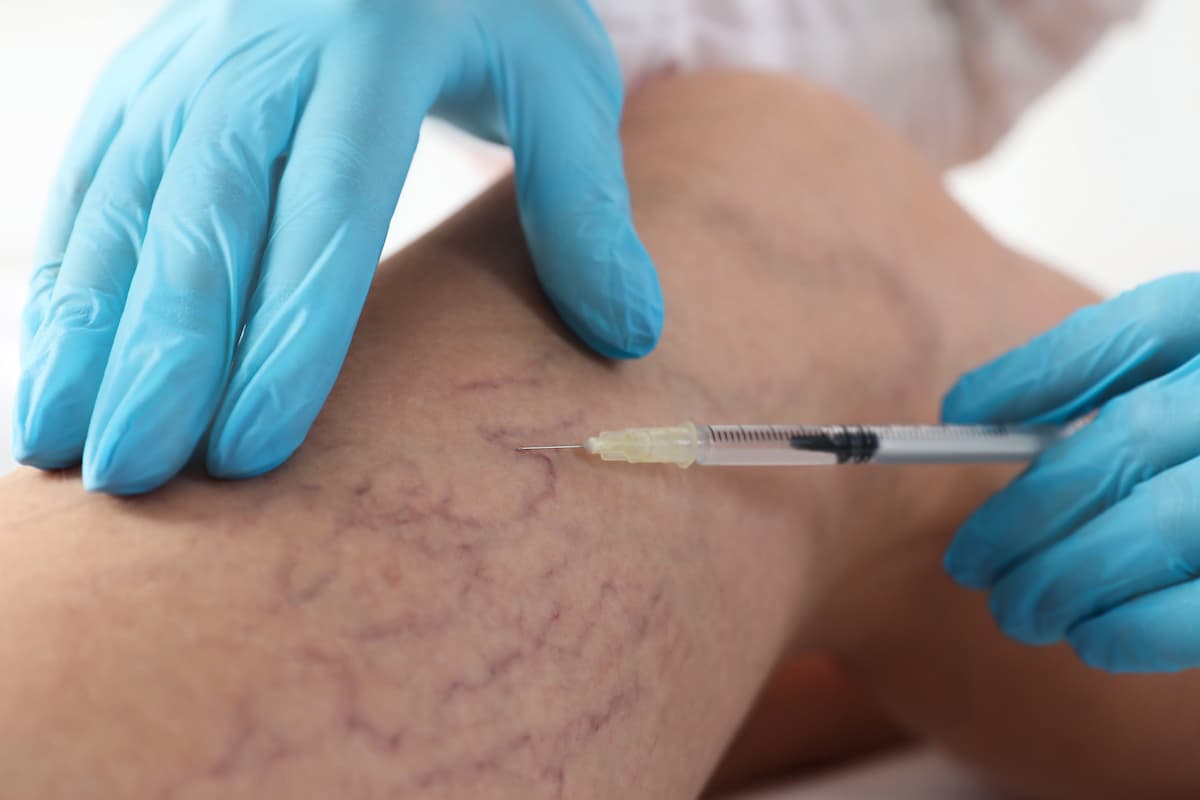
A medical solution is injected into the vein with a very fine needle. It irritates the vein lining so the vein closes and fades over the following weeks. Sclerotherapy is also often used to treat remaining veins after ablation.
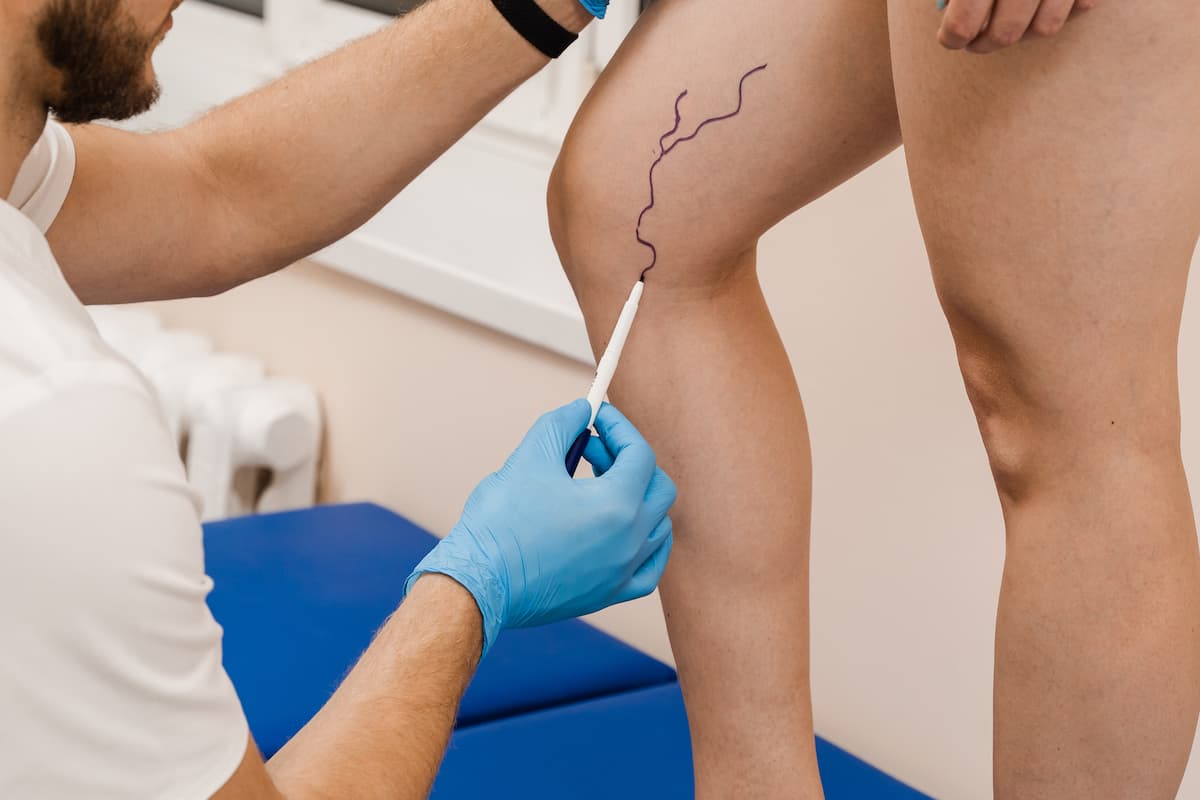
Best for bulging veins near the surface
After numbing the area, the specialist removes bulging surface veins through tiny punctures that usually don’t need stitches. It is often combined with ablation for a more complete result.
Supportive care
Graduated compression stockings apply gentle pressure that helps blood move up the leg. They can ease swelling and discomfort, and they’re used before and after procedures to support healing.

Compare Your Options
A quick guide to how our treatments compare. Your specialist will recommend what fits your ultrasound findings.
Treatment
Best for
Anesthesia
Typical downtime
Treatment
Radiofrequency Ablation (RFA)
Best for
Larger varicose veins, venous insufficiency
Anesthesia
Local
Typical downtime
1 to 2 days
Treatment
Laser Ablation (EVLT)
Best for
Larger varicose veins, venous insufficiency
Anesthesia
Local
Typical downtime
1 to 2 days
Treatment
Sclerotherapy
Best for
Smaller varicose and spider veins
Anesthesia
None needed
Typical downtime
Little to none
Treatment
Ambulatory Phlebectomy
Best for
Bulging surface veins
Anesthesia
Local
Typical downtime
A few days
Treatment
Compression Therapy
Best for
Symptom relief, recovery support
Anesthesia
None
Typical downtime
None
Recovery times are typical ranges. Individual results and recovery vary.
What Our Patients Say
4.8
Based on 143 Google reviews
Patients rate their care at Wesley Chapel Spine & Sports Medicine, home of Vein Doctor of Tampa, 4.8 out of 5 on Google.
Insurance & Financing
Some vein treatments, especially when medically necessary, may be covered by insurance. Our team will help you understand your coverage. We do not participate in Medicaid plans.
Financing options are also available.
Questions & Answers
Answers to the questions patients ask us most about vein conditions, treatments and recovery.
Varicose veins form when the one-way valves inside your veins weaken, letting blood flow backward and pool. Family history, age, hormonal changes, pregnancy, extra body weight and long hours of standing or sitting all raise the risk.
Many are mainly uncomfortable, but they can signal chronic venous insufficiency, which may lead to swelling, skin changes or slow-healing sores if untreated. Sudden swelling in one leg with pain, warmth or redness, or chest pain or shortness of breath, needs emergency care. Call 911.
It depends on the size and location of the affected veins and what your ultrasound shows. Larger veins are often treated with RFA or EVLT, while smaller veins may respond to sclerotherapy. Many patients benefit from a combination.
Most procedures use local anesthetic, and most patients describe mild discomfort rather than pain. Some soreness or bruising afterward is common and usually fades within a few days.
Most patients return to normal activities within one to two days after endovenous ablation, and right away after sclerotherapy. You’ll typically wear compression stockings for a few weeks and avoid strenuous exercise for a few days.
Many insurance plans cover treatment when it’s medically necessary, for example when veins cause pain, swelling or skin changes. We accept most major insurances (no Medicaid), and our team can help you check your coverage.
Treated veins are closed and absorbed by the body, but new varicose veins can develop over time. Staying active, managing weight and wearing compression when advised can help, and we’re here for follow-up care.
Get the Care You Deserve
Find out what’s causing your symptoms and which treatment fits you. Request your consultation and our team will call you to schedule.
Call us today
Hours of Operation
We’ll call you to confirm. Please don’t include medical details in this form.
Protected by reCAPTCHA. See our Privacy Policy.