
Condition We Treat
Vein Doctor of Tampa
Small red, blue or purple veins on your legs or face? Spider veins are common and treatable. We offer quick, non-surgical sclerotherapy in our office, with minimal downtime, and check for any underlying vein problem along the way.
or call us today
4.8
143 Google reviews of our practice
No incisions or stitches
Quick in-office treatment
Resume most activities right away
When results are often seen
Understanding Spider Veins
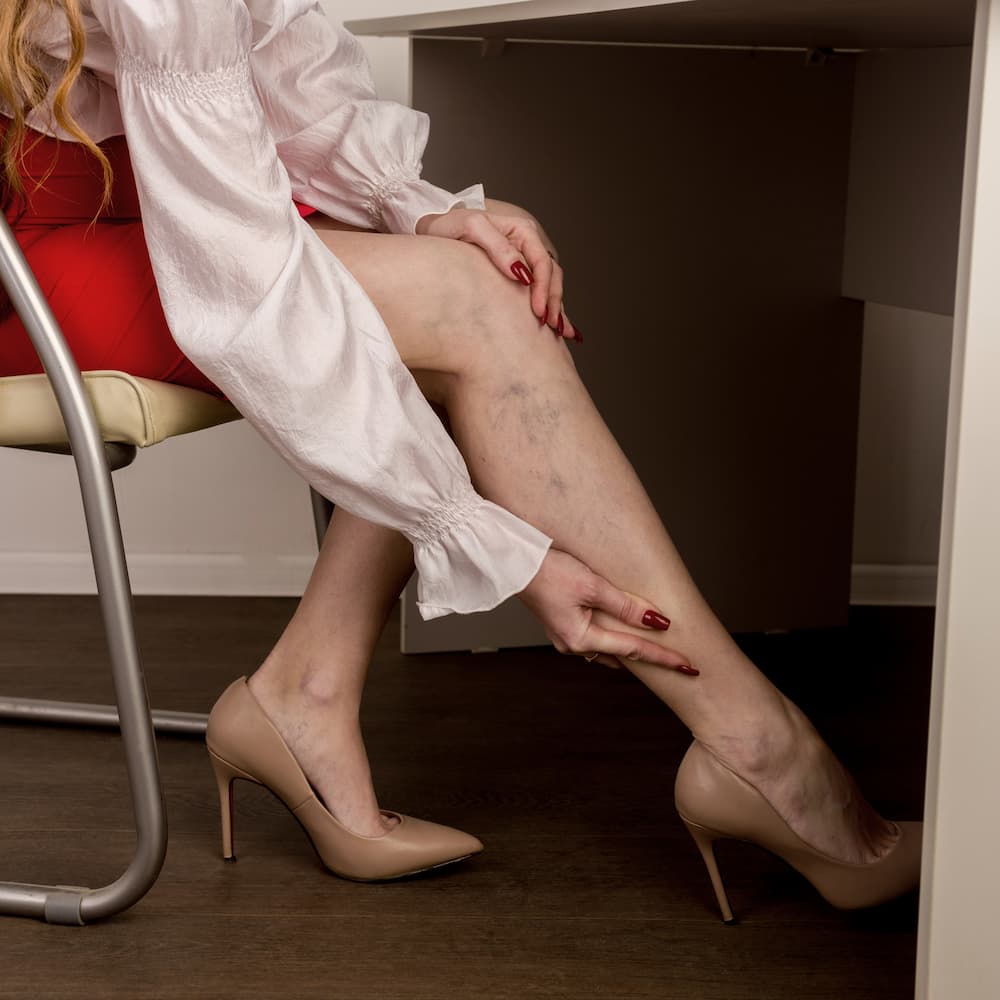
Spider veins are small, damaged veins that appear as red, blue or purple lines or web-like clusters on the surface of the skin, most often on the legs and sometimes on the face.
They form when tiny veins near the skin’s surface widen and become visible. For many people they’re a cosmetic concern, but spider veins can also itch, burn or ache, and they sometimes appear alongside an underlying vein problem such as chronic venous insufficiency.
Know the Difference
They’re related but not the same, and the difference shapes which treatment makes sense.
Spider veins
Varicose veins
Causes & Risk Factors
Spider veins usually develop from a mix of factors, many of which you can’t control.
Spider veins often run in families.
Pregnancy and other hormonal shifts can play a role.
Vein walls and valves weaken over time.
Long periods in one position strain leg veins.
A common contributor to spider veins on the face.
Extra weight adds pressure to the veins in the legs.
Consider an evaluation if your spider veins come with:
These can point to venous insufficiency underneath, which a painless ultrasound can check.
Treatment Options
Every plan starts with an evaluation, so we treat what you can see and anything underneath.
Primary treatment
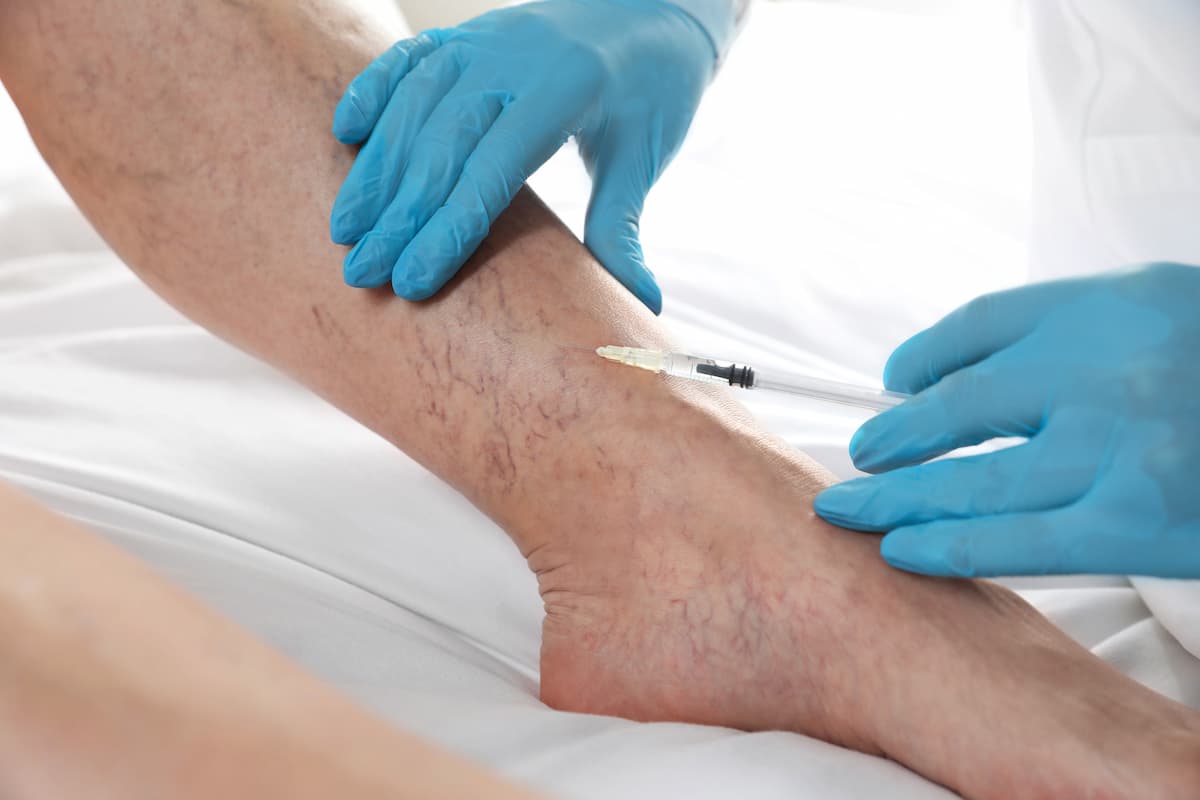
A fine needle injects a solution that makes spider veins collapse and gradually fade. No incisions, minimal downtime.
Supportive care
Supports circulation and results after treatment, and may help reduce symptoms and new veins.
If needed
If ultrasound shows venous insufficiency, RFA or EVLT may be recommended first for a better overall result.
Your Treatment & Results
Results vary from person to person, but here’s the typical timeline.
We examine your veins and may use ultrasound to check blood flow and rule out an underlying problem.
A short office visit, typically 15 to 30 minutes. You may feel a slight pinch, but most patients tolerate it well.
Resume most activities right away. Wear compression for a few weeks and avoid strenuous activity for a few days.
Most patients see improvement within a few weeks, often best at 3 to 6 weeks. Some need more than one session.
Gradual, natural-looking results
Treated veins fade over several weeks as your body absorbs them.
What Our Patients Say
4.8
Based on 143 Google reviews
Patients rate their care at Wesley Chapel Spine & Sports Medicine, home of Vein Doctor of Tampa, 4.8 out of 5 on Google.
Insurance & Financing
Spider vein treatment is often considered cosmetic and may not be covered by insurance. When spider veins cause symptoms or are linked to venous insufficiency, treatment may be medically necessary and covered. We’ll review your options and any costs with you before treatment.
Questions & Answers
Answers to the questions patients ask us most about vein conditions, treatments and recovery.
Spider veins form when tiny veins near the skin’s surface widen. Family history, hormonal changes such as pregnancy, age, long periods of standing or sitting, sun exposure and extra body weight can all contribute.
Spider veins are small, thin and web-like, usually red, blue or purple, and lie flat with the skin. Varicose veins are larger, raised and twisted, and they’re more likely to cause pain, heaviness or cramping.
Usually not. Many people treat them for cosmetic reasons. However, they can itch, burn or ache, and sometimes they appear alongside venous insufficiency, which is worth checking with an ultrasound.
Sclerotherapy is the most common treatment. A fine needle injects a solution into the vein so it collapses and fades over the following weeks. Compression is often worn afterward to support results.
Some patients need one session, while others need several, especially with numerous veins. Sessions are usually spaced about 4 to 6 weeks apart.
Treated veins don’t return, but new spider veins can form over time. Following your aftercare instructions, staying active and wearing compression when advised can help reduce the risk.
Cosmetic spider vein treatment is often not covered. If your spider veins cause symptoms or are linked to an underlying vein condition, treatment may be considered medically necessary. Our team can help you check your coverage.
Get the Care You Deserve
Find out whether sclerotherapy is right for you. Request your consultation and our team will call you to schedule.
Call us today
Hours of Operation
We’ll call you to confirm. Please don’t include medical details in this form.
Protected by reCAPTCHA. See our Privacy Policy.