
Varicose Vein Treatment
Vein Doctor of Tampa
A minimally invasive, in-office treatment that uses gentle heat to close damaged veins, improve circulation and relieve symptoms of varicose veins and venous insufficiency, with most patients back to normal activities in 1 to 2 days.
or call us today
4.8
143 Google reviews of our practice
No general anesthesia
Typical procedure time
Outpatient procedure
Typical return to activity
Understanding RFA
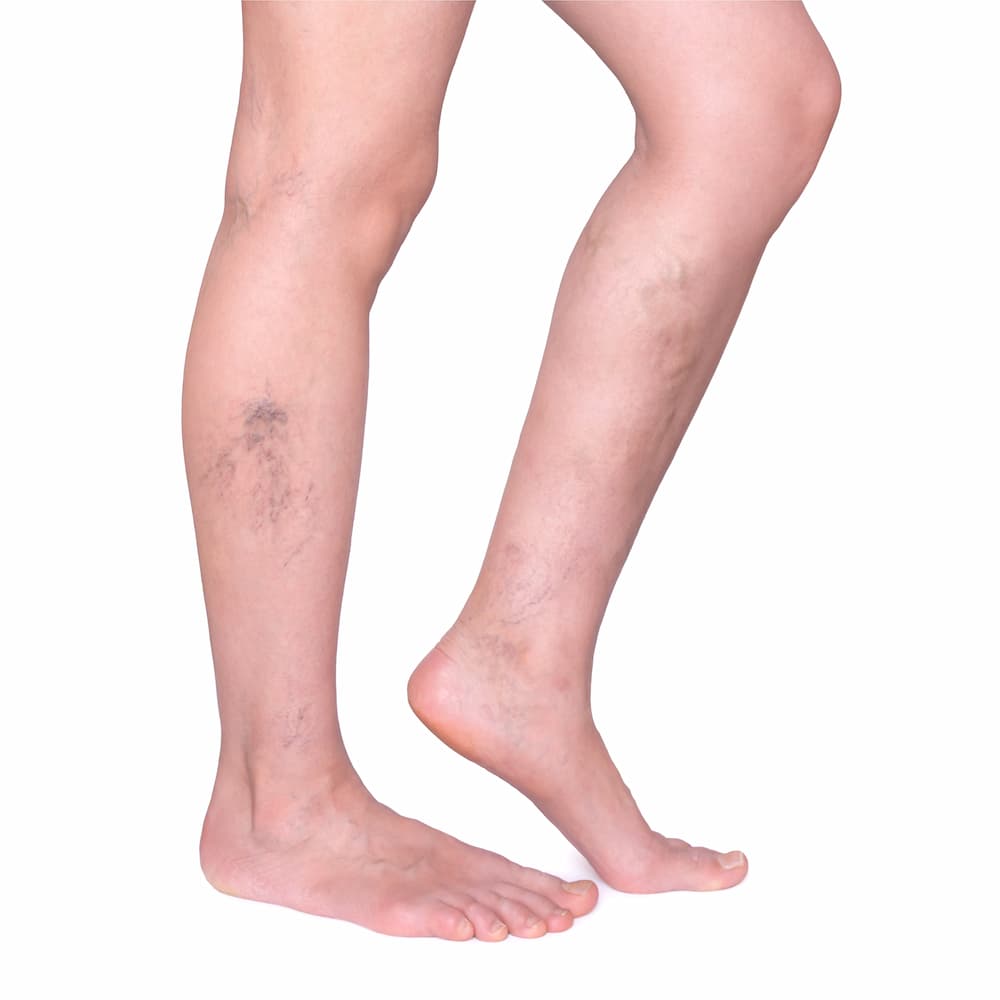
Radiofrequency ablation (RFA) is a non-surgical, minimally invasive treatment for varicose veins and chronic venous insufficiency. It uses heat from high-frequency radio waves to seal the damaged vein from the inside.
Once the vein closes, your body gradually absorbs it and blood naturally reroutes through healthier veins. The result is better circulation and relief from symptoms such as aching, swelling and heaviness, without a hospital stay.
The Procedure
RFA is performed in our office under local anesthetic, guided by ultrasound from start to finish.
01
After numbing the area, a thin catheter is placed into the affected vein through a tiny entry point, with no surgical incisions or stitches.
02
Radiofrequency energy heats the vein wall as the catheter is slowly withdrawn, causing the vein to shrink and close.
03
Over time the treated vein is absorbed by the body, and blood flows through healthier veins instead.

Is RFA Right for You?
RFA may be a good option if you have:
A painless duplex ultrasound shows which veins are affected and which treatment fits.
Benefits of RFA
RFA offers meaningful relief with far less disruption than traditional vein surgery.
A tiny entry point, with no surgical incisions or stitches, lowers the risk of complications.
Most patients return to normal activities within 1 to 2 days.
Closing the faulty vein lets blood flow through healthier veins.
Treated veins stay closed, and many patients enjoy symptom relief for years.
Local anesthetic only, with mild soreness for most patients.
No hospital stay; the procedure typically takes 30 to 60 minutes.
Your RFA Journey
From your first visit to your follow-up, here’s what to expect.
We review your medical history, examine your legs and use ultrasound to assess the affected veins.
We explain whether RFA is right for you, what it involves and how to prepare.
The area is numbed, the catheter is placed and the vein is treated, typically in 30 to 60 minutes.
You're monitored briefly, then go home the same day. We schedule follow-up visits to check your results.
Ultrasound-guided care
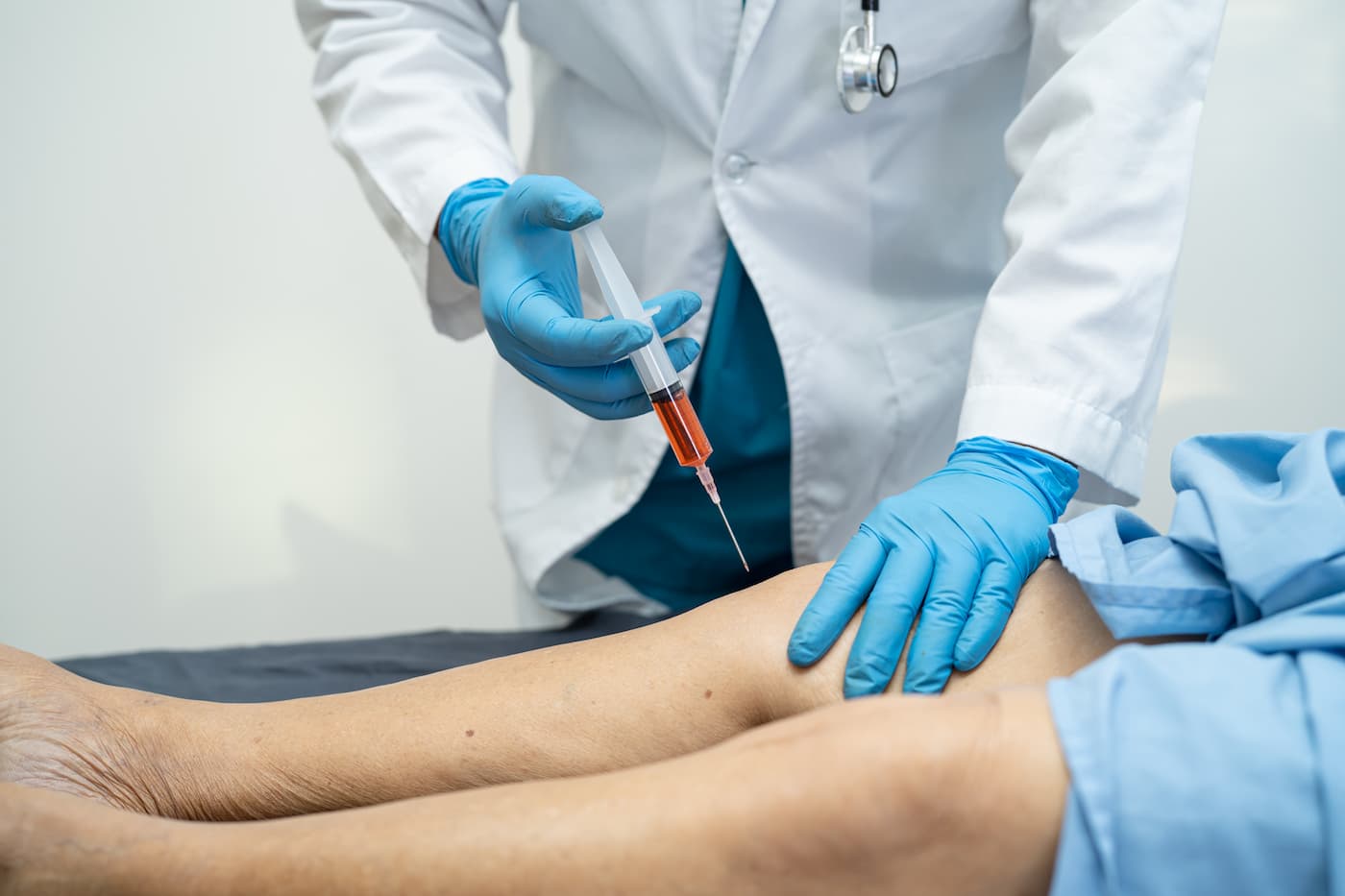
Ultrasound helps us target the right vein precisely, before and during treatment.
Recovery & Aftercare
Recovery is usually straightforward. Mild soreness or bruising is common and typically fades within a few days.
Worn for a few weeks to support healing and circulation.
Light walking is usually encouraged; avoid vigorous activity for the first few days.
We check the treated vein and your progress.
Questions after treatment? Call us at (813) 994-0151.
Related Care
A laser-based alternative to RFA that also closes faulty veins from the inside.
See every option we offer for bulging, painful varicose veins.
Learn about the condition behind many varicose veins and leg swelling.
Questions & Answers
Answers to the questions patients ask us most about vein conditions, treatments and recovery.
RFA is performed under local anesthetic, so most patients feel only mild discomfort during the procedure. Some soreness or bruising afterward is common and usually fades within a few days.
Typically 30 to 60 minutes, depending on the number and size of the veins being treated. You go home the same day.
Most patients return to normal activities within 1 to 2 days. You’ll wear compression stockings for a few weeks and avoid vigorous exercise for the first few days.
Both close faulty veins from the inside using heat delivered through a thin catheter. RFA uses radiofrequency energy and EVLT uses laser energy. Your specialist will recommend the best option based on your ultrasound findings.
RFA is often recommended for symptomatic varicose veins and chronic venous insufficiency. An evaluation with duplex ultrasound tells us whether RFA is the right treatment for your veins.
Every procedure carries some risk. Common effects include temporary bruising, tenderness or tightness along the treated vein. Less common risks will be reviewed with you during your consultation, so you can make an informed decision.
Many insurance plans cover RFA when it’s medically necessary, for example for painful varicose veins or venous insufficiency. We accept most major insurances (no Medicaid), and our team can help you check your coverage.
Get the Care You Deserve
Find out whether RFA is right for your veins. Request your consultation and our team will call you to schedule.
Call us today
Hours of Operation
We’ll call you to confirm. Please don’t include medical details in this form.
Protected by reCAPTCHA. See our Privacy Policy.